




Understanding the Subaru BOXER Engine: Why It’s Different and Why It Matters | Bachman Subaru in Louisville, KY
Every Subaru — from the family-hauling Ascent to the rally-bred WRX to the rear-drive BRZ sports car — is built around an engine layout almost no other automaker uses: the horizontally opposed BOXER engine. Subaru has been refining this design for over 55 years, and it’s not a quirk or a marketing gimmick. It’s a foundational engineering choice that shapes how every Subaru drives, handles, and protects its occupants.
Here’s a plain-English look at what makes the boxer engine different, from your friends at Bachman Subaru in Louisville.
First: What Does “Boxer” Even Mean?
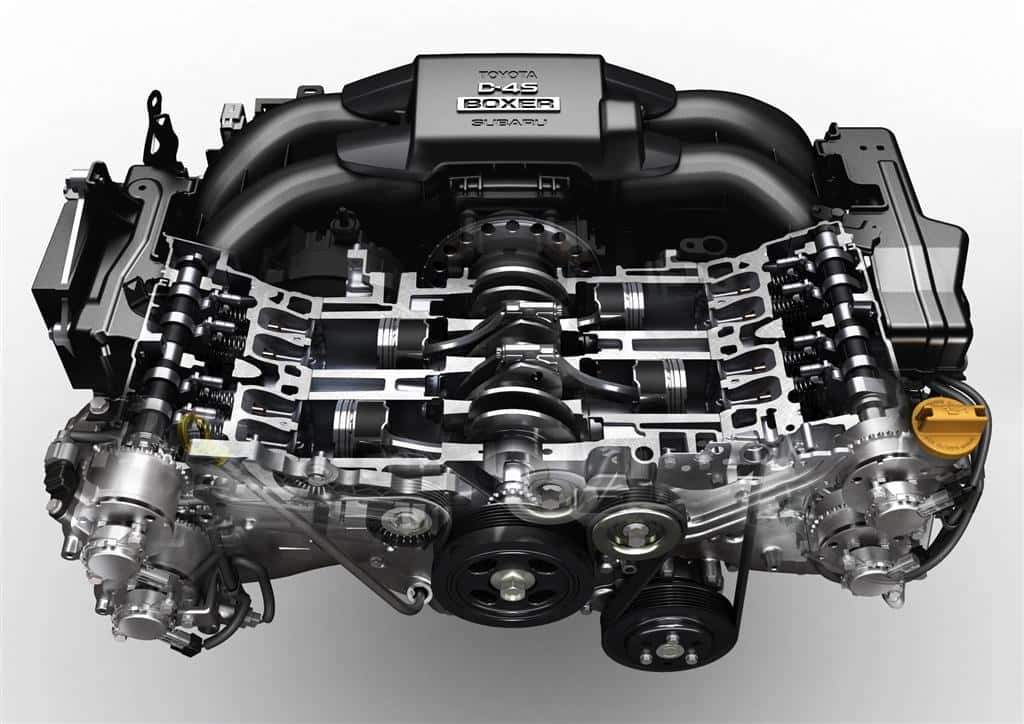
In most cars, the engine’s pistons stand upright in a row (an inline engine) or lean into a V shape (a V6 or V8). In a boxer engine, the pistons lie flat and horizontal, moving side-to-side in opposing pairs — like two boxers throwing punches at each other, which is where the name comes from. Each pair of pistons naturally counterbalances the other.
The result is an engine that’s shorter, flatter, and wider than a conventional design — and that shape is the secret to almost everything that follows. Fun fact: the only other major automaker committed to the boxer layout is Porsche, which has used it in the 911 for six decades. Subaru keeps interesting company.
Benefit #1: A Low Center of Gravity
Because the boxer engine lies flat, it sits significantly lower in the chassis than an upright inline or V engine. A lower center of gravity means less body roll in corners, more stability in emergency maneuvers, and a planted, confident feel on the highway. It’s a big part of why a Forester or Outback feels more composed than its ride height suggests — and why the BRZ sports car, with its boxer engine mounted low and rearward, handles like cars costing twice as much.
Benefit #2: Natural Smoothness and Balance
In a boxer engine, each piston’s movement is countered by its opposing twin, canceling out much of the vibration that inline engines have to tame with extra balancing hardware. The engine runs smoother at idle and stays composed as the revs climb. That trademark boxer character — a distinctive rumble Subaru enthusiasts recognize instantly — comes as a bonus.
Benefit #3: A Safety Advantage You Hope to Never Use
Here’s the one most shoppers never hear: in a severe frontal crash, the boxer engine’s flat, low-slung profile is designed to slide down and under the passenger compartment rather than being pushed back into it. Combined with Subaru’s Ring-Shaped Reinforcement Frame body structure, it’s part of why Subaru models earn IIHS Top Safety Pick awards year after year. The engine layout itself is a safety feature.
Benefit #4: The Perfect Partner for Symmetrical All-Wheel Drive
This is where the whole Subaru formula clicks together. Because the boxer engine is short and mounted in-line with the drivetrain, power flows straight back through the transmission to all four wheels in a nearly symmetrical, balanced layout — no awkward sideways engine, no long transfer paths. That’s why Subaru calls it Symmetrical All-Wheel Drive: the boxer engine makes the balanced layout possible. It’s a matched set no competitor can quite replicate, and it’s why Subarus feel so sure-footed when a Kentucky winter throws ice and slush at your morning commute.
Which Boxer Is in Which Subaru?
Today’s lineup uses several versions of the boxer formula: a 2.5-liter in the Forester, Outback, and Legacy; a 2.0-liter or 2.5-liter in the Crosstrek and Impreza; a turbocharged 2.4-liter delivering strong power in the WRX, Ascent, and XT/Onyx turbo trims; a naturally aspirated, high-revving 2.4-liter in the BRZ sports car; and a hybrid boxer powertrain in the newest Forester Hybrid and Crosstrek Hybrid. Different personalities, same fundamental architecture.
What About Maintenance?
An honest answer, because Subaru shoppers ask: modern Subaru boxer engines follow normal maintenance schedules — regular oil changes, air filters, spark plugs — just like any other engine, and the current generations have long since addressed the head-gasket concerns associated with much older designs from decades past. The flat layout does place spark plugs on the sides of the engine, which is a routine job for our factory-trained technicians. Follow the maintenance schedule and a boxer will go the distance: 96% of Subaru vehicles sold in the last 10 years are still on the road today.
Feel the Difference at Bachman Subaru
Engineering explanations only go so far — the boxer engine’s low, planted, smooth character is something you feel in the first mile of a test drive. Visit Bachman Subaru in Louisville, drive any model in the lineup, and pay attention to how settled it feels through an on-ramp. That’s 55+ years of boxer refinement at work. Browse our inventory online or stop by today.
Subaru BOXER Engine FAQ
What is a Subaru boxer engine?
An engine with horizontally opposed pistons that lie flat and move in opposing pairs, like boxers trading punches. The layout makes the engine shorter and flatter than inline or V engines, allowing it to sit lower in the vehicle.
Why does Subaru use boxer engines?
Three main reasons: a lower center of gravity for better handling and stability, natural balance for smoother running, and a compact layout that enables Subaru’s Symmetrical All-Wheel Drive system. There’s also a safety benefit — the flat engine is designed to slide beneath the cabin in a severe frontal crash.
Do all Subarus have a boxer engine?
Yes — every gasoline-powered Subaru sold today uses a boxer engine, from the Impreza to the Ascent to the BRZ. The all-electric Solterra, Trailseeker, and Uncharted use electric motors instead, though they carry the same all-wheel-drive DNA.
What other car company uses boxer engines?
Porsche is the only other major automaker committed to the layout, using flat-six boxer engines in the 911 and flat-fours in earlier Boxster/Cayman models. Subaru is the only mainstream brand to build its entire lineup around it.
Are Subaru boxer engines reliable?
Modern Subaru boxer engines are proven, long-lived designs when maintained on schedule — and Subaru cites that 96% of its vehicles sold in the last 10 years are still on the road. The head-gasket issues some shoppers ask about relate to engine generations from roughly two decades ago, not today’s designs.
Is a boxer engine more expensive to maintain?
Routine maintenance — oil changes, filters, fluids — costs about the same as any comparable engine. A few jobs, like spark plugs, involve different access due to the flat layout, but they’re standard work for the factory-trained technicians in our Bachman Subaru service department.
What does the boxer engine have to do with Symmetrical AWD?
Everything. The boxer’s short, in-line mounting lets the drivetrain run straight back to all four wheels in a balanced, symmetrical layout — the foundation that makes Subaru’s Symmetrical All-Wheel Drive possible. Most competitors’ AWD systems are adaptations of front-wheel-drive layouts with sideways-mounted engines.
Where can I learn more or test drive a Subaru in Louisville, KY?
Bachman Subaru in Louisville. Stop by for a test drive and feel the boxer difference for yourself — and our service team is happy to answer any maintenance questions about the Subaru you already own.

0 comment(s) so far on Understanding the Subaru BOXER Engine: Why It’s Different and Why It Matters | Bachman Subaru in Louisville, KY